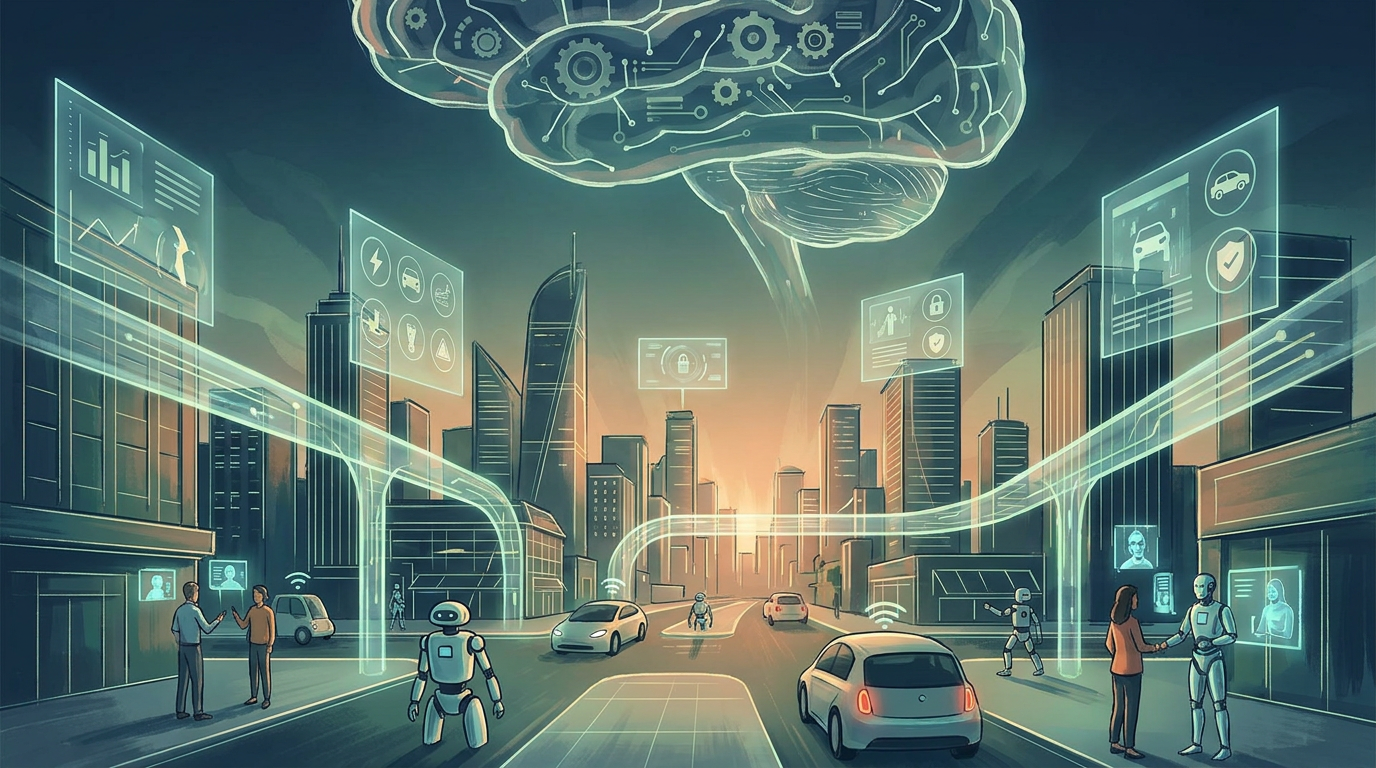
NVIDIA has published a blog post titled “Cities Worldwide Build and Scale AI Services With NVIDIA Physical and Agentic AI.” The post presents the company’s view of how municipalities can apply two families of AI to urban operations. The first is physical AI, which works with the real world through cameras, sensors and simulations. The second is agentic AI, which is software that plans and carries out multi-step tasks.
The announcement is mainly relevant to city IT departments, infrastructure operators and the vendors that serve them. It is an editorial blog post from NVIDIA. It is not a product launch with a release status, pricing or availability terms. Readers should treat it as a statement of direction from the provider and a set of examples. It is not a specification.
This matters because many public bodies already collect large volumes of operational data. They often lack a reliable way to act on it. Before anyone commits budget, it helps to understand the two concepts and the governance questions they raise.
What NVIDIA published
The source is a post on NVIDIA’s official blog. It covers how cities build and scale AI services with NVIDIA physical and agentic AI. The provider’s headline frames the topic around cities worldwide, so the post describes adoption across several municipalities rather than a single deployment. This article does not repeat specific city names, partner names or performance figures, because those details had not been independently confirmed at the time of writing. The original post is the place to check them.
Physical AI and agentic AI, explained
Physical AI
Physical AI refers to systems that perceive or simulate the physical world and reason about it. In an urban setting, this usually covers computer vision on camera feeds, analysis of sensor data and digital twins. A digital twin is a virtual model of a real asset, such as a road network or a water system. Planners can use it to test changes before they make them on the ground.
Agentic AI
Agentic AI describes software agents that take a goal, break it into steps, call tools or data sources, and return a result or action. In a city context, an agent might route a resident’s request to the right department or draft a maintenance ticket from an inspection report. If you are new to the terminology, the AiLunaPro AI glossary defines these and related terms. For a wider view of where agents fit in operations, see our overview of agentic AI and the shift toward automation.
Where these technologies typically apply in cities
The examples below are common categories for physical and agentic AI in public services. They are not a list of deployments confirmed in NVIDIA’s post.
- Infrastructure planning: simulating traffic, construction or flood scenarios on a digital twin before changing the real environment.
- Maintenance: spotting defects in roads, lighting or utilities from imagery, then turning the findings into prioritised work orders.
- Public services: conversational or back-office agents that answer resident questions, classify requests and hand complex cases to staff.
- Operations monitoring: combining camera and sensor streams so that operators see incidents sooner.
Practical implications for public-sector teams and vendors
For a city, the hard part is rarely the model. It is connecting AI to existing systems, such as ticketing, asset registers and resident portals, without creating new silos. Teams that already map their workflows will find it easier to judge where an agent saves effort and where it adds risk. Our page on AI automation services describes how that kind of workflow mapping is usually approached.
For vendors and integrators, the message is that buyers will expect physical and agentic capabilities to work together. A vision system that detects a problem is more useful when an agent can also open, route and track the response. Even then, a human should approve any action that affects residents or public assets.
Limitations and open questions
The material available for this article does not include confirmed details on specific products, pricing, hardware requirements or measured outcomes. Decision-makers should look for those details directly from the provider and from the cities involved.
Several questions apply to any municipal AI project, regardless of vendor:
- Privacy: camera and sensor analysis in public spaces needs a clear legal basis, data minimisation and retention limits.
- Accountability: agents that act on behalf of a public body need defined permissions, audit logs and human sign-off for sensitive decisions.
- Regulation: depending on jurisdiction, some public-sector uses of AI may fall into stricter regulatory categories. A structured AI compliance audit helps identify obligations early.
- Lock-in: cities should check how portable their data, models and digital twins remain if they change suppliers.
Why this matters for businesses
The same pattern applies beyond city hall. Companies that run facilities, logistics networks or field-service teams face a similar gap between what their sensors and cameras collect and what their staff can act on. Public-sector projects tend to raise the bar for governance and transparency. That makes them a useful reference point for private organisations designing their own custom AI agents.
Last updated: this article reflects NVIDIA’s blog post as available at the time of writing. Check the original source for any later changes.
Put this AI capability into practice
Understanding the technology is only the first step. AiLunaPro can help your team turn this capability into a controlled operational workflow.
With AiLunaPro Custom AI Agents and Automation, you can:
- Helps organisations map where sensor, camera and service data could feed AI agents within existing workflows
- Supports the design of agent permissions, audit logs and human approval points before deployment
- Clarifies compliance questions for AI that processes data from public or shared spaces


